Cat Boarding for the First Time? How to Prepare Your Cat for a Comfortable Stay

Leaving your cat somewhere new for the first time can feel stressful for both of you. Cats rely on familiar smells, routines, and spaces. A sudden change can make some cats cautious, quiet, or unsettled.

Good preparation can make the transition easier. If you are considering cat boarding North York, the goal is not to make your cat love every new experience immediately. It is to reduce unnecessary stress and give your cat as much familiarity and predictability as possible.

Start Preparing Before the Boarding Date

Do not wait until the morning of drop-off to begin preparing. Give yourself several days to organize food, medication, the carrier, and routine details.

If your cat rarely uses a carrier, leave it open at home before the boarding date. Place a familiar blanket or towel inside. Let your cat explore it without pressure. This helps prevent the carrier from becoming a signal that something unpleasant is about to happen.

Keep feeding times and sleep routines as normal as possible during the days before boarding. Large changes just before a stay can make adjustment harder.

What to Pack for Cat Boarding North York

Pack only what will genuinely help your cat feel comfortable and help caregivers maintain the usual routine.

Bring enough of your cat’s regular food for the stay if the facility allows it. Sudden food changes can cause digestive upset, especially when a cat is already adjusting to a new environment.

If your cat takes medication, provide it in clearly labelled packaging. Include simple written instructions with the dose and timing.

A small familiar item can also help. This could be a blanket or soft towel that carries the scent of home. Avoid packing anything valuable or difficult to replace.

Provide accurate contact details and an emergency contact if someone else may need to make decisions while you are unavailable.

Share Your Cat’s Routine, Not Just Basic Information

A boarding team needs more than your cat’s name and feeding schedule.

Tell them when your cat normally eats, whether they prefer wet or dry food, how much they usually eat, and whether they graze throughout the day.

Explain social preferences too. Some cats enjoy attention quickly. Others need time before they are comfortable being approached. Mention whether your cat likes being brushed, hides around unfamiliar people, dislikes being picked up, or becomes defensive when nervous.

Small details can prevent unnecessary stress. If your cat only eats from a certain style of bowl or prefers quiet time after meals, mention it.

Keep the Drop-Off Calm and Simple

A long emotional goodbye may make the experience harder.

Cats can respond to changes in their owner’s tone, movement, and behaviour. If you appear tense or repeatedly reopen the carrier to comfort them, your cat may become more alert to the unfamiliar situation.

Keep the handover calm. Make sure caregivers have everything they need. Give your cat a short, familiar goodbye and allow the boarding team to begin helping them settle.

Cat Boarding North York: Reduce Stress With Familiarity

Familiarity can make a meaningful difference during boarding.

Food is one part of that. Smell is another. Cats use scent to understand whether an environment feels safe. A familiar-smelling blanket or towel may provide reassurance while they adjust.

Routine matters as well. If your cat usually eats early in the morning and again in the evening, tell the boarding team. If they are most playful at a certain time, share that too.

Avoid introducing new food, treats, or major routine changes shortly before boarding unless necessary. The fewer changes your cat experiences at once, the easier it may be for them to settle.

Prepare for Your Cat’s Personality

Not every cat responds to boarding in the same way.

A confident cat may start exploring quickly. A cautious cat may spend more time observing. Some cats seek attention. Others prefer distance at first.

Neither reaction automatically means something is wrong.

Your cat may eat slightly less at first, sleep more, or spend extra time in a quiet area while adjusting. What matters is that caregivers know your cat’s normal behaviour and can notice meaningful changes.

Make Health Information Clear

Before boarding, share any health concerns, medications, allergies, dietary restrictions, or previous behavioural issues.

Do not assume a detail is too small to mention. If your cat has a sensitive stomach, has previously stopped eating during stressful situations, or becomes anxious around certain sounds, tell the team.

Clear information helps caregivers distinguish between normal adjustment and something that may require closer attention.

If your cat has recently been unwell or has experienced a sudden behavioural change, discuss whether boarding is appropriate before the stay.

What to Expect When Your Cat Comes Home

Your cat may not immediately return to their usual routine.

Some cats walk in and behave as though nothing happened. Others may sleep more, follow their owners around, eat differently for a short period, or spend time in a familiar hiding place.

Give your cat space to settle back in. Return to normal feeding and household routines rather than compensating with too many treats, visitors, or extra activity.

Watch for persistent changes. If your cat refuses food for an unusual length of time, shows signs of illness, or behaves in a way that concerns you, seek appropriate professional guidance.

A Comfortable First Stay Starts Before Drop-Off

Successful first-time boarding is largely about preparation.

Keep your cat’s routine stable. Pack familiar essentials. Share detailed information about feeding, medication, behaviour, and preferences. Most importantly, choose a boarding environment where your cat’s individual needs can be understood rather than treated as an afterthought.

If you are planning cat boarding in North York, preparing early can make the experience smoother for both you and your cat. Contact Hello Pets to discuss your cat’s routine, care needs, and upcoming stay.
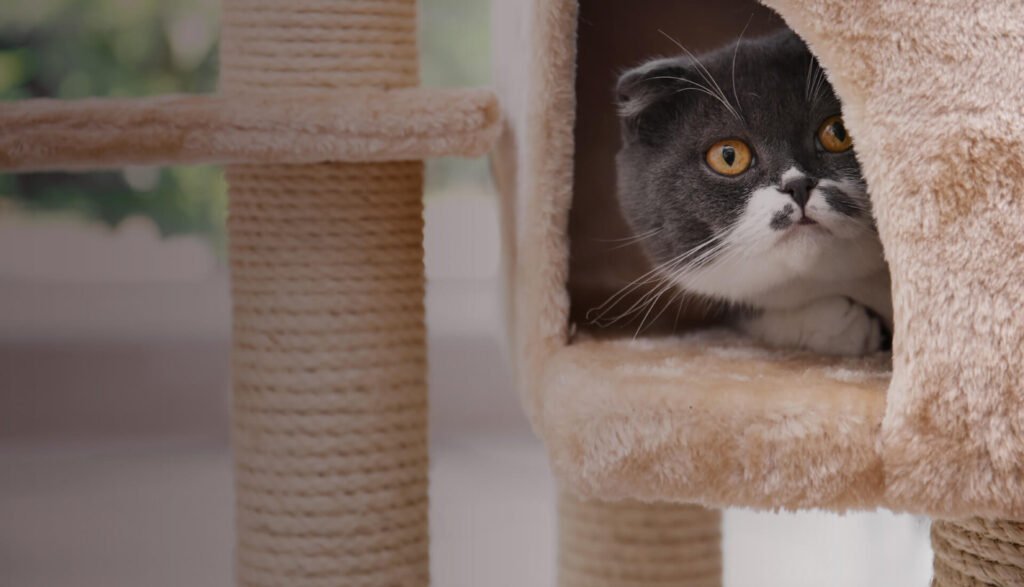
Why Does My Cat Hide, Stop Eating, or Act Differently After Daycare?

A cat acting differently after daycare can worry any pet owner. Your cat may hide under furniture, eat less, avoid attention, sleep more, or seem unusually alert after coming home.

These changes do not always mean something went wrong. Cats often react strongly to changes in environment, scent, routine, and social exposure.

If you use cat daycare North York, it helps to understand which behaviours may be part of normal adjustment and which ones deserve closer attention.

Why Cats May Behave Differently After Daycare

Cats are highly aware of their surroundings. A daycare environment introduces new smells, sounds, people, spaces, and routines.

Even a cat that appears calm during the day may need time to decompress once back home.

Some cats process stimulation by sleeping. Others become more withdrawn. A few may seek more attention than usual.

The important question is not whether your cat behaves differently for a short time. It is whether the behaviour is mild, temporary, and gradually returning to normal.

Why Is My Cat Hiding After Cat Daycare North York?

Hiding is one of the most common ways cats create a sense of safety.

After spending time in an unfamiliar setting, your cat may choose a quiet place at home where they feel fully in control again.

Do not immediately pull them out from under a bed or behind furniture.

Instead, give them access to their usual food, water, litter box, and resting areas. Keep the environment quiet and predictable.

A cat that comes out voluntarily after some rest is usually responding differently from a cat that remains hidden while also refusing food, avoiding the litter box, or showing signs of discomfort.

Your cat's normal personality matters too.

A naturally cautious cat may need more recovery time than a confident, highly social cat.

Why Your Cat May Eat Less After Daycare

A temporary change in appetite can happen after a stimulating or unfamiliar day.

Stress can affect appetite. So can tiredness.

Your cat may also have eaten at a different time than usual, which can shift when they feel hungry once they return home.

Offer their regular food at the normal time. Avoid introducing several new treats simply to encourage eating. Too many sudden food changes can make it harder to understand what is affecting their appetite.

Pay attention to the pattern.

Eating slightly less for one meal is different from consistently refusing food.

If the appetite change continues or appears alongside vomiting, weakness, obvious discomfort, or other concerning symptoms, it should not be dismissed as simple post-daycare behaviour.

Extra Sleeping Can Be a Sign of Decompression

Daycare can involve more activity and mental stimulation than your cat normally experiences at home.

Watching unfamiliar movement, exploring a different space, responding to new sounds, and interacting with caregivers all require energy.

Your cat may therefore sleep longer after coming home.

Allow them to rest without repeatedly waking them for play or attention.

The key is how your cat behaves once awake. A tired cat may still respond to you, eat, drink, groom, and use the litter box normally.

Unusual weakness or difficulty moving is different from ordinary tiredness.

Why Some Cats Become Clingier Instead

Not every cat hides.

Some cats react to a change in routine by staying unusually close to their owner afterward.

They may follow you from room to room, sleep beside you, rub against you more often, or vocalize when you leave.

This can simply be your cat re-establishing familiarity after spending time away from home.

Respond normally. Offer affection if your cat seeks it, but avoid creating a completely different routine around the behaviour.

Returning to predictable everyday habits can help your cat settle.

Cat Daycare North York: Watch for Signs of Overstimulation

Some cats become restless rather than sleepy after daycare.

You may notice pacing, sudden bursts of activity, excessive grooming, increased vocalization, irritability, or difficulty settling down.

This can happen when your cat has processed a lot of stimulation during the day.

Create a low-pressure environment when they return home.

Dim excessive noise. Avoid introducing visitors. Do not immediately start an intense play session.

Give your cat the option to retreat to a familiar space.

If this pattern happens after every daycare visit, it may be worth reviewing your cat's routine, personality, and tolerance for the current daycare schedule.

Pay Attention to Litter Box Changes

Litter box behaviour can tell you a lot about how your cat is adjusting.

A slight delay in using the litter box after returning home may not be unusual, especially if your cat used one during daycare.

More noticeable changes deserve attention.

Watch for repeated trips to the litter box, straining, vocalizing, accidents, or avoiding the box completely.

These behaviours should not automatically be blamed on stress.

Whenever elimination changes appear significant or persistent, they deserve closer evaluation.

Help Your Cat Settle Back Into Their Routine

The best response after daycare is usually a simple one.

Return your cat to the routine they already know.

Feed them at familiar times. Keep their favourite resting spaces available. Make sure their litter box is clean. Offer quiet interaction instead of forcing attention.

Avoid trying to compensate for the day away with excessive treats, play, or constant handling.

Cats often recover best when home feels exactly like home.

When Behaviour Changes Deserve More Attention

Short-term changes can happen after daycare, but they should generally improve as your cat settles.

Pay closer attention if your cat continues refusing food, remains hidden for an unusually long period, stops drinking, develops digestive problems, shows obvious pain, or behaves significantly differently from their normal baseline.

You know your cat's usual habits better than anyone.

That makes changes from their personal normal more useful than comparing them with another cat.

Understanding Your Cat Makes Daycare Easier

A successful daycare routine is not about expecting every cat to respond the same way.

Some cats need quiet time afterward. Some sleep. Some want affection. Others need space.

If you are considering cat daycare North York, pay attention to how your cat behaves before, during, and after each visit. Those patterns can help you understand what makes them feel comfortable.

For attentive daycare that considers your cat's individual routine and behaviour, contact Hello Pets and discuss your cat's care needs with our team today.

Why Does My Pet Keep Getting Mats Even With Regular Brushing?

You brush your pet regularly, yet mats keep appearing. That can be frustrating, especially when you feel you are already doing the right thing at home. It may also make you wonder whether you are brushing incorrectly or whether your pet simply has a difficult coat.

The truth is that regular brushing does not always mean effective brushing. Mats often form because certain areas are missed, the wrong tool is used, loose undercoat remains trapped, or brushing only reaches the surface of the coat. If you are trying to stay on top of pet grooming in North York, understanding why mats return is the first step toward preventing them.

Why Regular Brushing May Not Be Enough

A coat can look smooth on the surface while tangles are developing underneath. This is especially common in thick, curly, long, or double coats.

A brush may glide across the top layer without reaching the hair closer to the skin. Over time, loose hair catches around surrounding strands. Friction tightens those tangles, creating mats that may seem to appear suddenly.

In reality, most mats develop gradually. They often begin in an area that regular surface brushing does not reach.

Pet Grooming North York: Areas Owners Commonly Miss

Mats rarely form evenly across the whole body. They tend to appear in areas where there is movement, moisture, friction, or repeated pressure.

Common problem spots include behind the ears, under the collar, around the armpits, beneath the chest, around the legs, near the tail, and anywhere a harness regularly sits. These areas are easy to overlook during a quick brushing session.

Some pets also dislike having these spots brushed, so owners may unconsciously spend less time there. Check them separately instead of assuming that a quick full-body brush has covered everything.

Your Brush May Not Be Reaching the Lower Coat

One of the biggest reasons mats return is shallow brushing. The tool moves through the outer coat, but the deeper hair remains untouched.

This can make the coat look neat while tangles continue forming underneath. The problem is especially common with dense or curly coats because the surface can appear smooth even when the lower layers are beginning to knot.

Work through the coat in small sections. Gently part the hair and make sure you are reaching the lower layers without scraping the skin. If you repeatedly hit resistance in the same place, stop and inspect the area instead of pulling harder.

Moisture Can Make Matting Worse

Wet hair tangles easily. Rain, snow, bathing, swimming, licking, and even damp paws can contribute to mat formation.

If the coat dries while tangled, those tangles may tighten. This is particularly important in areas with dense hair or areas where the coat rubs against itself as the pet moves.

After your pet gets wet, gently separate the coat and dry it properly. Avoid rubbing a long or curly coat aggressively with a towel, as this can twist strands together. Blot away moisture instead and check high-friction areas once the coat is dry enough to handle comfortably.

Collars, Harnesses, and Clothing Can Create Friction

Anything that repeatedly rubs against the coat can contribute to matting. Collars, harnesses, sweaters, jackets, and recovery garments can all create friction.

The issue is not necessarily the item itself. The problem develops when the hair underneath becomes compressed, shifted, and rubbed repeatedly as your pet moves. Loose strands can then become trapped and knot together.

Remove collars or harnesses during grooming when it is safe to do so. Check the hair underneath them regularly. Pets that wear clothing during colder weather may need extra coat maintenance because more of the body is exposed to repeated friction.

Pet Grooming North York for Curly, Long, and Dense Coats

Some coats naturally require more detailed maintenance. Curly coats can trap loose hair instead of allowing it to fall away. Double coats may hold a large amount of loose undercoat beneath the outer layer. Long coats can tangle whenever sections rub together.

That means two pets can be brushed for the same amount of time and still need completely different grooming routines. Your pet’s coat type should determine the technique, tools, and frequency.

Frequency alone is not enough. Five minutes with an unsuitable tool may accomplish less than a careful section-by-section grooming session using the right approach.

Brushing a Tight Mat Harder Can Make It Worse

Once a mat becomes tight, aggressive brushing is not the solution. Pulling on a mat also pulls on the skin, which can make grooming painful.

Repeated painful brushing may also teach your pet to dislike being groomed. They may become restless, defensive, or avoid brushing sessions altogether.

Do not keep tugging simply because you want to preserve coat length. Comfort should take priority over appearance. Small, loose tangles may sometimes be managed carefully, but tight mats close to the skin often require a different approach.

Trying to cut out a mat at home can also be risky. Skin may be pulled up into the mat and become difficult to see clearly.

Use Your Hands to Find Mats Early

Do not rely only on scheduled brushing sessions. Your hands can help you find developing tangles before they become severe.

Run your fingers through areas that commonly mat. Feel for small knots, thickened sections, or places where your fingers no longer move freely through the coat. Finding a small tangle early is much easier than dealing with a tight mat later.

This is particularly useful after rainy walks, outdoor play, wearing a harness, or any activity that leaves the coat damp or compressed.

Why Matting Is More Than a Cosmetic Problem

Mats are not simply untidy sections of fur. As a mat tightens, it can pull on the skin whenever your pet moves.

Large or dense mats may also trap moisture and debris close to the body. Pets may lick, scratch, or avoid being touched in those areas because the skin feels uncomfortable.

This is why preventing matting should be viewed as part of routine coat care rather than just appearance maintenance.

Build a Better Home Grooming Routine

Effective home care does not need to be complicated. It does need to be consistent.

Brush in sections rather than quickly passing over the entire body. Spend extra time on friction areas. Check the coat after it becomes wet. Use your fingers to identify early tangles before they tighten.

Most importantly, adjust the routine to your individual pet. A short-coated pet and a dense curly-coated pet should not have identical grooming schedules.

If the same areas keep matting despite regular home care, the issue may be your technique, coat type, moisture, friction, grooming frequency, or a combination of several factors.

Professional pet grooming in North York can help identify where mats are repeatedly developing and where your routine may need adjustment. The goal should not only be removing existing mats. It should be reducing how often they return.

Contact Hello Pets to discuss your pet’s coat condition, grooming routine, and the best way to keep recurring mats under control.

Why Is My Pet Acting Strange After Grooming? What’s Normal and What Isn’t

Your pet comes home from grooming and suddenly seems different. They may hide, shake, sleep more, avoid being touched, lick themselves repeatedly, or seem unusually quiet. For many pet owners, this can be worrying, especially when the behaviour appears immediately after an appointment.

A change in behaviour after grooming does not always mean something went wrong. Grooming can involve unfamiliar sounds, handling, water, dryers, nail trimming, brushing, and changes to how the coat feels. If you are visiting a pet groomer North York, it helps to understand which reactions may be temporary and which ones deserve closer attention.

Why Pets May Act Differently After Grooming

Grooming can be a demanding sensory experience. Your pet may hear clippers, dryers, running water, other animals, and unfamiliar voices. They may also be handled in ways they do not usually experience at home. Even pets that remain calm throughout the appointment can become mentally tired afterward.

Some pets sleep more when they get home. Others become quiet, clingy, or less interested in interaction for a while. The most useful thing to watch is whether your pet gradually returns to their normal behaviour. A short period of tiredness or withdrawal is very different from ongoing distress.

Pet Groomer North York: Why Your Pet May Hide After an Appointment

Hiding is often a way for pets to decompress. After spending time in an unfamiliar environment, your pet may simply want a quiet place where they feel safe and in control again.

Avoid pulling them out from under furniture or repeatedly calling them. Give them access to water, their usual resting area, and a calm environment. Let them approach you when they are ready. Pets that are naturally cautious may need more recovery time than highly social pets.

Hiding becomes more concerning when it is combined with other changes such as refusing food, limping, persistent shaking, vomiting, or obvious pain. Context matters, so compare the behaviour with what is normal for your pet.

Why Some Pets Shake After Grooming

Shaking can happen for several reasons. Your pet may feel cold after bathing, particularly if the coat has been clipped shorter than usual. They may also be nervous or overstimulated after spending time in a busy grooming environment.

Give them time to settle in a comfortable room and avoid overwhelming them with attention. In many cases, the shaking may ease as they relax. Persistent shaking, especially when combined with weakness, unusual breathing, pain, or difficulty walking, should not simply be dismissed as normal grooming stress.

Excessive Licking After Grooming

Some pets lick themselves more after grooming because their skin and coat feel different. A shorter haircut can expose the skin to sensations that were previously softened by longer fur. Freshly trimmed nails or recently cleaned areas may also feel unfamiliar.

Occasional licking may settle quickly. Continuous licking deserves closer attention. Check calmly for redness, irritated skin, a small cut, or an area that appears unusually sensitive. Avoid repeatedly touching the spot, as this can make your pet more focused on it.

Why Your Pet May Avoid Being Touched

Some pets need a break from physical contact after grooming. They may have spent a considerable amount of time being brushed, bathed, dried, clipped, positioned, and handled. Once they return home, they may simply want control over their personal space again.

Let your pet decide when they want affection. Avoid immediately checking every part of the haircut by touching the ears, paws, tail, and body repeatedly. Give them time to relax first. In many cases, normal affection-seeking behaviour returns once the pet has had enough rest.

Tiredness After Visiting a Pet Groomer North York

Grooming may look passive, but it can be mentally exhausting. Your pet has to process an unfamiliar environment while remaining still for parts of the appointment. Puppies, kittens, older pets, nervous animals, and pets that are not groomed regularly may become especially tired afterward.

Extra sleep can be normal. What matters is how your pet behaves once awake. They should still be responsive, able to move normally, and interested in familiar activities. Extreme weakness, difficulty standing, or unusual disorientation should not be treated as ordinary tiredness.

Why Behaviour Can Change After a Short Haircut

A major coat change can feel strange to a pet. A dog or cat that arrives with long or heavily matted fur may leave with a much shorter coat. That change affects more than appearance.

Air reaches the skin differently. Furniture and flooring may feel different against the body. Areas that were previously covered by dense fur may suddenly feel more exposed. Some pets become temporarily more sensitive to touch after a dramatic haircut.

Give them time to adjust. This is also why preventing severe matting is important. Regular coat maintenance can reduce the need for drastic coat removal and make grooming sessions more comfortable.

When Post-Grooming Behaviour Should Not Be Ignored

Most mild behavioural changes should improve as your pet settles back into their usual environment. However, some signs deserve more attention.

Persistent pain, bleeding, swelling, repeated vomiting, breathing difficulty, difficulty walking, severe skin irritation, or prolonged refusal to eat or drink should not be ignored. Intense sensitivity around one specific area also deserves closer inspection.

You know your pet’s usual behaviour better than anyone else. If something appears clearly outside their normal pattern, take it seriously instead of assuming every reaction is simply caused by grooming.

Tell Your Groomer About Previous Reactions

Communication before an appointment can make future grooming sessions easier. If your pet shook for several hours after the previous visit, became frightened by dryers, disliked having their paws handled, or was unusually tired afterward, mention it.

A pet groomer North York can provide more individualized care when they understand your pet’s history and sensitivities. It is also useful to mention skin conditions, mobility limitations, previous injuries, medical concerns, or areas your pet dislikes having touched.

These details may seem small, but they can influence how the grooming session is approached.

Help Your Pet Recover Calmly at Home

After grooming, keep the rest of the day simple. Offer fresh water, serve food according to the normal schedule, and keep your pet’s favourite resting spaces available.

Avoid immediately planning a busy outing, introducing visitors, or starting an intense play session. Your pet has already experienced plenty of stimulation. A calm return home can help them settle more comfortably.

There is no single post-grooming reaction that applies to every pet. One pet may fall asleep immediately, while another may follow their owner everywhere or hide for an hour before returning to normal. The important thing is knowing your pet’s baseline and watching for meaningful changes.

If you are looking for a pet groomer North York, choose a grooming team that listens to your concerns and takes your pet’s temperament seriously. Contact Hello Pets to discuss your pet’s grooming needs, sensitivities, and routine before their next appointment.

Why Is My Pet More Hyper After Daycare Instead of Tired?

You send your pet to daycare expecting them to come home pleasantly tired. Instead, they race around the house, demand attention, bark more, struggle to settle, or suddenly get a burst of energy.

That reaction can be confusing. Many owners assume daycare should automatically result in a calm evening. But tiredness does not always look like sleepiness. Some pets become more active when they are mentally overloaded, excited, or overtired.

If you use pet daycare North York, understanding the difference between healthy post-daycare energy and overstimulation can help you respond in a way that actually helps your pet settle.

Why Tired Pets Can Look Hyper

Pets do not always respond to fatigue by immediately lying down. Some become restless when they are physically tired but mentally stimulated.

Think about everything your pet may experience during daycare. There can be unfamiliar sounds, new smells, movement, play, people, other animals, feeding routines, and constant environmental changes. Even if your pet enjoys the experience, their brain has been processing far more information than it would during a quiet day at home.

Once they return home, that stimulation may continue showing up as pacing, zoomies, barking, jumping, attention-seeking, or difficulty relaxing. The behaviour can look like excess energy even when your pet actually needs rest.

Pet Daycare North York: Is It Excitement or Overstimulation?

Not every energetic evening means there is a problem. Some pets simply become excited when reunited with their owners. They may run around for a few minutes, grab a favourite toy, or follow you from room to room before settling normally.

Overstimulation tends to look different. Your pet may appear unable to switch off. They might pace continuously, react strongly to small noises, become unusually mouthy, demand constant interaction, or move rapidly from one activity to another.

Look at the duration rather than one isolated behaviour. A brief burst of excitement followed by normal relaxation is very different from a pet that remains restless for hours.

Your pet's usual temperament matters too. A naturally energetic pet may always need more time to transition from an active environment to a quiet home.

Why Too Much Activity Can Make Settling Harder

More exercise does not always create more calm.

Physical activity can reduce excess energy, but repeated high-intensity activity without enough downtime can make some pets increasingly aroused. They may become physically tired while remaining mentally switched on.

This is why adding a long walk, intense play session, or highly stimulating outing immediately after daycare may not help. Your pet may need fewer demands, not more activity.

Once home, give them a chance to move naturally, drink water, eat according to their normal routine, and then decompress in a familiar environment.

Watch What Happens During the First Hour Home

The first hour after daycare can tell you a lot.

Notice whether your pet quickly begins settling into familiar habits or continues seeking stimulation. Do they drink some water and lie down? Do they wander around before choosing a resting place? Or do they repeatedly pace, bark, jump, and struggle to remain still?

Avoid judging the daycare experience based only on whether your pet immediately sleeps. Instead, look at their ability to return to a normal baseline.

A pet that takes a little time to transition can still be coping well. The concern is repeated difficulty recovering after every visit.

Pet Daycare North York and the Importance of Downtime

A good daycare routine is not only about activity. Rest matters too.

Pets need opportunities to pause between stimulating periods. Constant activity can be difficult for animals that are young, excitable, cautious, or easily aroused.

If your pet regularly comes home unable to settle, consider whether the overall daycare schedule suits their personality and energy level. Some pets may thrive with frequent active periods. Others may benefit from more structured rest.

This does not necessarily mean daycare is unsuitable. It may simply mean your pet needs a different balance.

Do Not Mistake Overstimulation for “Needing More Exercise”

One common response to post-daycare hyperactivity is to assume the pet still has energy to burn.

Owners may immediately start playing fetch, take another long walk, or encourage vigorous play. Sometimes this keeps the pet even more activated.

Before adding more exercise, observe what your pet is actually communicating. Are they moving with purpose and enthusiasm, or do they look restless and unable to settle? Are they engaging normally, or reacting to everything around them?

A short, calm routine may be more useful than another hour of stimulation.

Create a Predictable Post-Daycare Routine

Pets often settle more easily when they know what happens next.

Try keeping the post-daycare routine simple. Arrive home, offer fresh water, allow a bathroom break if needed, serve food at the usual time, and keep the environment calm.

Avoid introducing visitors, loud activities, or exciting new experiences immediately after daycare. If your pet wants affection, offer it calmly. If they choose to rest, let them.

Over time, this predictable routine can help signal that daycare is finished and home is the place to decompress.

Look for Patterns Across Several Visits

One energetic evening does not tell you much.

Pay attention to what happens after several daycare visits. Does your pet settle more easily as they become familiar with the routine? Do they consistently struggle after especially active days? Are they calmer when visits are shorter or less frequent?

Patterns can help you understand whether the behaviour comes from excitement, fatigue, overstimulation, or something else.

You may also notice changes the following day. Healthy activity should not leave your pet repeatedly irritable, unusually withdrawn, or unable to recover before the next visit.

When Hyperactivity Deserves More Attention

Post-daycare energy is not automatically concerning, but major behavioural changes should not be ignored.

Watch for persistent agitation, unusual aggression, repeated inability to sleep, excessive panting without an obvious reason, digestive changes, avoidance, or behaviour that remains significantly different from your pet's normal routine.

If the same pattern happens after every daycare visit, discuss it with the care team. Share what you are seeing at home and ask about your pet's activity, rest, interactions, and behaviour during the day.

That information can help you understand the full picture instead of judging the experience only from the evening afterward.

Daycare Should Match the Individual Pet

There is no universal amount of daycare activity that works for every animal.

Some pets come home, eat dinner, and sleep for hours. Others need a quiet transition period before they can fully relax. A few become more energetic when they are overtired.

The goal is not to make your pet exhausted. It is to provide appropriate activity, enrichment, interaction, and rest in a way they can comfortably handle.

If you are considering pet daycare North York, pay attention to how your pet feels after the experience, not simply how tired they appear.

Contact Hello Pets to discuss your pet's routine, energy level, and daycare needs so you can find a schedule that works for them.

Will Pet Boarding Affect My Pet's Bond With Me? What Owners Worry About Before a First Stay

One of the hardest parts of leaving a pet for boarding is not packing their food or preparing their belongings. It is wondering what they will think when you leave.

Will they feel abandoned? Will they become distant? Could a few days away change the bond you have built with them?

These worries are especially common before a first boarding stay. If you are considering pet boarding North York, it helps to understand how pets may respond to temporary separation and what you can do to make the experience feel more predictable.

Does Boarding Make a Pet Think You Abandoned Them?

Pets do not understand boarding in the same way humans understand a trip or scheduled stay.

They notice that their environment has changed and that you are not there. They may need time to adjust to new people, smells, sounds, and routines. That does not automatically mean they interpret the experience as permanent abandonment.

A pet's reaction depends on temperament, previous experiences, routine, age, and comfort with unfamiliar environments.

Some pets adapt quickly. Others may be cautious at first. A first-time stay can feel particularly unfamiliar because the pet has no previous experience showing them that you leave and then return.

Preparation can help make that first experience less abrupt.

Pet Boarding North York: Will My Pet Forget Me?

A short period away does not erase the relationship your pet has built with you.

Your pet knows you through far more than your physical presence at a single moment. Your scent, voice, routines, interactions, feeding habits, home environment, and repeated experiences together all contribute to familiarity.

When you return, your pet may react with intense excitement. They may also seem surprisingly calm. Neither response tells you how strong the bond is.

Pets express recognition and attachment differently. One may jump, vocalize, or follow you closely. Another may greet you quietly and return to normal within minutes.

Do not measure your relationship only by the size of the reunion.

Why Some Pets Seem Distant After Boarding

A pet that does not immediately behave normally can make an owner worry that the relationship has changed.

However, temporary withdrawal may have more to do with adjustment than attachment. Your pet has just moved from one environment back into another. They may be tired, overstimulated, or simply trying to re-establish their usual routine.

Some pets may sleep more. Others may spend time in a familiar resting place. A cautious pet might take several hours to fully return to normal.

Give them room to settle instead of repeatedly calling, handling, or testing whether they are still affectionate.

A calm return to familiar routines can be more reassuring than intense attention.

Why Some Pets Become Extra Clingy

The opposite reaction can happen too.

Your pet may follow you everywhere, sleep closer than usual, seek constant physical contact, or become more vocal when you move away.

That does not necessarily mean the boarding experience damaged their confidence. Your pet may simply be reconnecting with familiar routines and seeking reassurance after time in a different environment.

Respond normally and calmly. Offer affection if they seek it, but avoid completely changing household rules or routines because you feel guilty about leaving them.

Consistency helps your pet understand that life has returned to normal.

Pet Boarding North York: Familiarity Can Make Separation Easier

Although you cannot explain the trip to your pet in words, you can reduce how many unfamiliar things happen at once.

Keep feeding and sleeping routines stable before boarding. Avoid making several major changes in the days leading up to the stay.

If permitted, send familiar food and a simple item that carries the scent of home. Provide clear information about your pet's usual routine, behaviour, preferences, and sensitivities.

A boarding team can support your pet more effectively when they know what is normal for them.

If your pet normally eats slowly, dislikes being approached while resting, becomes nervous around loud sounds, or settles better after a certain routine, mention it.

Avoid an Overly Emotional Drop-Off

It is understandable to feel emotional when leaving your pet for the first time. However, a long and tense goodbye can make the transition more confusing.

Repeatedly opening the carrier, returning for another hug, or speaking in an anxious tone can signal that something unusual is happening.

Keep the handover calm and clear. Make sure the care team has all necessary information, give your pet a normal goodbye, and allow the transition to begin.

The goal is not to act indifferent. It is to avoid turning the departure into a prolonged event.

What If My Pet Refuses to Eat While I Am Away?

Changes in appetite are another reason owners worry that their pet is distressed by separation.

Some pets eat less when they first enter an unfamiliar environment. Stress, excitement, altered timing, and new surroundings can all affect appetite temporarily.

This is why accurate feeding information matters. Tell the boarding team exactly what your pet normally eats, how much they receive, when they eat, and whether they have any particular habits around meals.

Also share any history of stress-related appetite changes.

This allows caregivers to distinguish between behaviour that may be typical for your pet and a change that deserves closer attention.

Do Not Try to “Make Up” for Boarding Afterwards

Guilt can lead owners to change everything once the pet returns home.

You may feel tempted to give extra treats all day, allow behaviours you normally discourage, or keep your pet constantly occupied.

This can actually make the return home less predictable.

Your pet's familiar routine is valuable. Feed them normally. Return to usual sleep schedules. Offer affection without overwhelming them. Resume walks, play, and household habits at a comfortable pace.

The message your pet receives through routine is simple: home is familiar, and things are normal again.

Pay Attention to Behaviour That Does Not Settle

Some temporary changes after boarding can happen, but behaviour should generally move back toward your pet's usual baseline.

Pay closer attention if your pet remains extremely withdrawn, refuses food for an unusual period, shows persistent digestive problems, appears physically uncomfortable, or develops a major behavioural change that does not improve.

Do not automatically assume every issue is emotional or caused by missing you.

If something appears significantly outside your pet's normal behaviour, investigate the specific concern rather than treating it only as separation anxiety.

A Strong Bond Is Built Through Consistency

A healthy relationship with your pet is created through repeated experiences over time.

Feeding, play, comfort, training, walks, rest, communication, and everyday routines all contribute to that bond. A temporary boarding stay does not replace those experiences.

What matters most is choosing care that respects your pet's individual needs and preparing them thoughtfully for the change in environment.

If you are planning pet boarding North York, focus less on whether your pet will feel differently about you and more on making the stay predictable, comfortable, and well supported.

Contact Hello Pets to discuss your pet's routine, temperament, and first boarding stay so you can prepare with greater confidence.

Why Puppies Bite and How Training Stops It — A Guide for North York Dog Owners

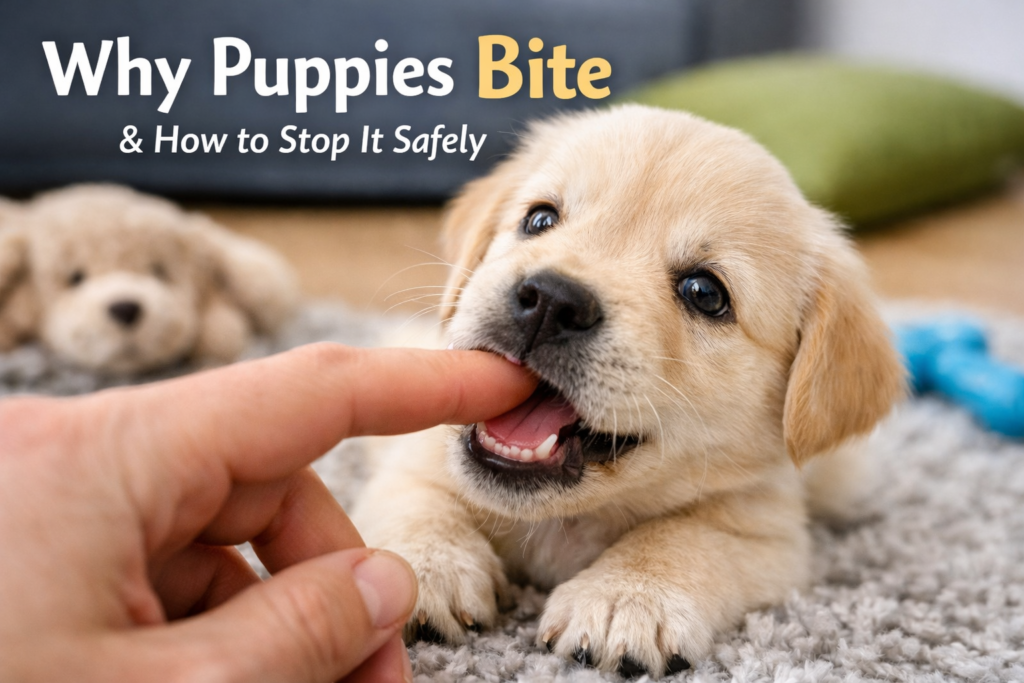
Puppy biting is one of the most common concerns new dog parents face. Many assume it’s aggression or bad behaviour, but in reality, biting is a normal developmental stage. The key is understanding why puppies bite and how proper training redirects that behaviour safely and effectively.

Working with dogs daily in North York, we regularly meet pet parents who are worried about nipping, mouthing, or sudden biting during play or handling. The good news is that with the right approach, puppy biting is highly manageable and usually temporary.

Why Puppies Bite in the First Place

Biting is not misbehaviour, it’s communication and exploration. Puppies use their mouths the way human babies use their hands. Common reasons include:

Understanding the cause is the first step toward correcting it.

The Developmental Stages of Puppy Biting

8–12 weeks
Puppies explore everything with their mouths. Nipping is frequent but usually gentle.

3–4 months
Teething begins. Biting increases due to gum discomfort.

4–6 months
Adult teeth develop. Puppies test boundaries and reactions.

6 months+
If biting hasn’t been addressed, it can become a learned habit rather than a phase.

When Biting Becomes a Problem

Occasional mouthing is normal. However, biting needs attention if your puppy:

These signs indicate the puppy is not learning proper bite inhibition or emotional regulation.

What Is Bite Inhibition?

Bite inhibition is a dog’s ability to control jaw pressure. Puppies normally learn this from littermates. When one bites too hard, the other yelps and play stops. This teaches the puppy that biting ends fun.

If puppies are separated from their litter early or lack structured training, they may never fully learn this skill. Training replaces that missing lesson.

Mistakes That Make Puppy Biting Worse

Many well-meaning owners unintentionally reinforce biting. Common mistakes include:

Pulling your hand away quickly
This triggers the chase instinct.

Using hands as toys
This teaches puppies that hands are appropriate things to bite.

Yelling or punishing
This can increase fear and defensive biting.

Inconsistent rules
If biting is allowed sometimes and corrected other times, puppies become confused.

Puppies Bite

How Training Stops Puppy Biting

Structured training teaches puppies:

Effective methods include:

Redirection
Offer a toy immediately when biting starts.

Pause & Ignore
Stop interaction briefly so the puppy learns that biting ends attention.

Reward Calm Behaviour
Reinforce gentle play and relaxed responses.

Structured Socialization
Exposure to new environments builds confidence and reduces reactive biting.

The Role of Environment in Behaviour

Urban puppies growing up in busy cities like Toronto experience more stimulation from traffic, strangers, sounds, and confined spaces. Without early training, overstimulation can lead to frustration biting.

City dogs especially benefit from:

When to Seek Professional Guidance

If biting persists beyond early puppy months or becomes intense, structured help is recommended. Trainers can identify triggers, body language signals, and emotional patterns that are difficult for owners to interpret alone.

Teams such as Hello Pets Inc. often notice early behavioural signs during routine handling or grooming and can guide owners toward appropriate next steps when needed.

Early guidance is always easier than correcting established habits.

Quick Training Routine to Reduce Biting

Practice daily:

  1. Start a calm play session
  2. If biting occurs, pause the interaction
  3. Offer a toy instead
  4. Praise when the puppy chooses a toy
  5. Resume play calmly

Consistency teaches faster than intensity. Short, repeated lessons work best.

Signs Your Puppy Is Improving

Training is working when you notice:

Progress usually appears gradually, not overnight.

Final Thoughts

Puppy biting is not a sign of aggression; it’s a sign of learning. With patience, structure, and proper guidance, most puppies outgrow biting quickly and develop safe, gentle behaviour.

For dog owners raising puppies in North York, early training is one of the most valuable investments you can make. It prevents future problems, builds trust, and sets the foundation for a confident, well-behaved companion. Puppies Training Location in North York

FAQ — Puppy Biting & Training

Is puppy biting normal?
Yes. It’s a natural developmental phase.

At what age should biting stop?
Most puppies improve significantly by 5–6 months with consistent training.

Should I punish my puppy for biting?
No. Punishment increases fear and can worsen behaviour.

What’s the fastest way to stop biting?
Consistent redirection and reward-based training.

Does teething cause more biting?
Yes. Teething discomfort often increases mouthing behaviour.

When should I worry about biting?
If bites are intense, frequent, or aggressive, seek professional guidance.

Senior Cat Care: Arthritis, Kidney Disease, Dental Issues — When to Worry and What to Do

As pet care professionals serving families across North York, we’ve seen many loving cat owners struggle to recognise early signs of ageing in their feline companions. Cats are experts at hiding discomfort, which means conditions like arthritis, kidney disease, and dental problems often go unnoticed until they’re advanced.

At Hello Pets Inc., we regularly meet senior cats during grooming visits whose owners are surprised to learn that subtle behavioural changes can signal real health concerns. This guide explains what to watch for, when to be concerned, and what practical steps you can take to keep your ageing cat comfortable and healthy.

Understanding When a Cat Is Considered “Senior”

Most cats enter their senior years between 10 and 12 years old. After this stage, their metabolism, joint function, dental health, and organ performance begin to change. Ageing itself isn’t a disease, but it increases risk for chronic conditions that require monitoring and proactive care.

1. Arthritis in Senior Cats

Signs to Watch

Arthritis is extremely common but underdiagnosed because cats don’t limp like dogs. Instead, look for:

When to Worry

If your cat stops jumping, avoids stairs, or struggles getting into the litter box, it’s time for a veterinary evaluation. Untreated arthritis can significantly reduce quality of life.

What You Can Do

During grooming appointments, we often advise owners that matted fur or poor coat condition can indicate reduced flexibility, a common sign of arthritis. Professional grooming, such as cat grooming support, can help senior cats stay clean when mobility declines.

Senior Cat Care

2. Kidney Disease in Older Cats

Chronic kidney disease is one of the most frequent conditions affecting senior cats, especially in urban areas like Toronto, where indoor lifestyles can mask symptoms.

Early Warning Signs

When to Seek Veterinary Care

Any change in drinking or urination habits should be evaluated immediately. Kidney disease progresses silently, but early detection can slow its advancement significantly.

Practical Home Care Tips

3. Dental Disease: The Hidden Pain Source

Dental disease affects most cats over age 3, yet it’s often overlooked because symptoms can be subtle.

Signs Your Cat May Have Dental Pain

When to Worry

If your cat shows appetite changes or stops grooming, oral pain may be the cause. Dental infections can spread bacteria to the heart, liver, and kidneys if untreated.

What Helps

We’ve seen cases where cats come in for grooming and resist face handling sometimes; that sensitivity turns out to be dental pain. Observations like these often prompt owners to seek veterinary care early.

Why Routine Observation Matters

One of the biggest challenges with senior cats is that small changes are easy to dismiss:

In reality, these can be early clinical indicators. Tracking behaviour patterns weekly helps you detect trends rather than isolated incidents.

Daily Senior Cat Care Checklist

Use this quick monitoring routine:

Weekly Checks

Monthly Checks

Every 6–12 Months

When Professional Support Helps

Senior cats often need assistance beyond what owners can provide at home. Professional grooming environments can safely handle hygiene care, nail trims, and coat maintenance for cats who can no longer groom themselves comfortably. Many local pet parents who visit Hello Pets Inc. tell us they didn’t realise their cat had mobility or oral discomfort until a grooming session revealed subtle warning signs.

Final Thoughts

Ageing is natural, but suffering isn’t. Arthritis, kidney disease, and dental issues are manageable when caught early. The key is awareness + routine monitoring + timely veterinary care. Senior cats depend on their humans to notice what they can’t communicate.

The sooner you act on subtle signs, the longer your cat can enjoy a comfortable, happy life.

FAQ — Senior Cat Health Concerns

1. How can I tell if my senior cat is in pain?
Look for behavioural changes rather than obvious crying. Hiding, irritability, reduced jumping, or decreased grooming are common pain indicators.

2. How often should senior cats see a vet?
Every 6 months is ideal for cats over 10 years old because conditions progress faster in their senior years.

3. Do all older cats get kidney disease?
No, but risk increases with age. Regular blood tests help detect early stages before symptoms become severe.

4. Is bad breath normal in older cats?
No. Persistent bad breath usually indicates dental disease or infection and should be checked promptly.

5. Can arthritis be treated in cats?
Yes. Treatments may include weight management, joint supplements, pain medication, and environmental adjustments.

6. Why has my senior cat stopped grooming?
Common reasons include arthritis, dental pain, obesity, or illness. Reduced grooming is always worth investigating.

7. Should I change my cat’s diet as they age?
Often yes. Senior cats may need diets tailored for kidney health, joint support, or weight control. Always consult your veterinarian first.

Dog Coat Thinning in North York: Signs, Causes & Grooming Solutions

As a pet grooming salon serving families in North York, we often hear concerned dog owners ask: “Why is my dog's coat thinning?” While shedding is normal, thinning or patchy fur can signal underlying health issues or grooming problems. In this guide, we’ll explain the causes, warning signs, and practical solutions to help your dog maintain a healthy, shiny coat in Toronto.

For professional assessment and grooming, https://hellopetsinc.com/

Understanding Dog Hair Loss vs. Normal Shedding

All dogs naturally shed, but dog coat thinning in North York is different. It often appears as uneven fur, bald patches, or brittle hair, and is something you shouldn’t ignore.

Signs that thinning is normal:

Warning signs of concern:

If you notice these issues, it’s time to investigate further.

Common Causes of Thinning Dog Fur in North York

1. Poor Grooming or Matting

When coats aren’t brushed regularly, hair can break instead of shedding naturally. Matting and trapped moisture can damage follicles.

Our observation: Many pet owners assume their dog’s coat is “naturally thin,” but often it’s hair breakage from inconsistent grooming.

2. Skin Infections or Parasites

Fleas, mites, and fungal infections can weaken hair roots. Groomers often detect:

Early detection prevents more serious skin problems.

3. Nutritional Deficiencies

Hair is often the first indicator of a poor diet. Dogs lacking protein, omega fatty acids, or essential vitamins may show:

4. Hormonal or Medical Conditions

Some health issues directly affect the coat:

Sudden or severe thinning should prompt a veterinary evaluation.

5. Stress or Anxiety

Dogs that lick, chew, or bite excessively due to stress can develop localised hair loss. Common triggers include:

Grooming Clues That Signal a Health Issue

Professional groomers in North York notice subtle indicators that owners may miss:

If you spot these, scheduling a grooming evaluation is essential. You can learn more about our professional dog grooming services here:
https://hellopetsinc.com/dog-grooming/

dog coat thinning north york

Quick At-Home Coat Check for North York Dog Owners

Perform this simple 5-point check to spot early signs of dog hair loss in Toronto:

  1. Run your fingers through the coat — does hair fall out easily?
  2. Check skin visibility — are there bald patches?
  3. Smell the coat — any musty or unusual odour?
  4. Inspect underarms and belly — thinning often starts here
  5. Watch scratching frequency — more than normal?

If 2 or more signs are present, a professional grooming assessment is recommended.

Seasonal Coat Changes in Toronto Climate

Seasonal changes in North York and Toronto can temporarily affect your dog’s coat.

Tip: Seasonal dog coat thinning should always be even, not patchy.

Practical Steps to Restore Coat Health

1. Establish a Consistent Grooming Routine

Regular brushing prevents breakage, distributes natural oils, and keeps coats healthy.

Frequency recommendation:

2. Improve Diet Quality

Feed nutrient-rich food with:

Consult your vet before adding supplements.

3. Check Environmental Triggers

Dry air, harsh shampoos, or allergens can irritate skin. Switching to gentle, breed-appropriate grooming products often improves coat thickness.

4. Seek Professional Assessment Early

Professional groomers can detect hair loss causes before they require medical treatment. At https://maps.app.goo.gl/2vopfPZ2rYExNiFX7, we’ve seen many dogs regain healthy coats after proper detangling, conditioning, and skin-focused grooming.

Symptoms, Causes, and Actions: Quick Reference Table

SymptomLikely CauseAction
Even thinningSeasonal sheddingIncrease brushing
Patchy lossParasites or infectionGroomer + vet check
Hair breakingMatting or drynessConditioning treatment
Bald spotsHormonal issueVeterinary diagnosis
Thinning + odorSkin infectionImmediate care
dog coat thinning

When to See a Veterinarian Immediately

Seek professional care if coat thinning is accompanied by:

These may indicate systemic health issues rather than just grooming problems.

What Groomers Check That Owners Often Miss

Professional groomers examine:

Early detection prevents more severe problems and keeps your dog healthy.

Prevention Tips From Professional Groomers

Preventive care is easier than fixing coat damage later.

Closing Note

Dog coat thinning in North York is often the first visible sign that something deeper needs attention. Early grooming assessment, combined with proper diet and home care, resolves many coat concerns before they escalate into medical issues. Observing your dog’s coat regularly is one of the simplest ways to monitor overall health.

FAQ — Dog Coat Thinning in North York

1. Is dog coat thinning always a health problem?
No. Mild seasonal shedding is normal. Sudden, patchy, or excessive thinning usually signals a problem.

2. Can grooming actually stop hair thinning?
If the cause is matting, breakage, or poor coat maintenance, proper grooming can significantly improve coat thickness.

3. How long does it take for a dog’s coat to grow back?
Typically 4–12 weeks, depending on breed, nutrition, and underlying cause.

4. Should I change shampoo if my dog's coat is thinning?
Yes, especially if irritation is present. Harsh or human shampoos can damage hair follicles.

5. Do certain breeds experience thinning more often?
Yes. Double-coated breeds and dogs with long hair are more prone to visible thinning when grooming is inconsistent.

6. Can stress alone cause hair loss?
Yes. Chronic anxiety can lead to excessive licking or chewing, resulting in localised hair loss.

7. What is the first thing I should do if I notice thinning?
Start with a grooming evaluation to rule out surface causes. If signs persist, consult a veterinarian for medical assessment.

When Should You Start Dog Training in North York? A Local Trainer Explains

For many dog owners, one of the most important questions is: when is the right time to start training your dog? The answer is simple: training should begin the moment your dog becomes part of your life.

As professionals who work closely with dogs every day in North York, we often hear this question from pet parents during grooming visits and consultations. Many owners only think about training after problems appear, but the truth is that early guidance prevents most behavioural issues before they start.

Quick Answer

The best time to start dog training is as early as 8 weeks old. Puppies benefit from early socialisation, structure, and positive reinforcement to prevent biting, fear responses, and behaviour problems later. However, dogs of any age can successfully begin training with consistency and proper guidance.

What Is Dog Training?

Dog training is the process of teaching a dog how to understand cues, respond appropriately to situations, and communicate calmly with humans and other animals. It builds trust, confidence, and structure rather than simply teaching commands.

Why Early Dog Training Matters for North York Dogs

Dogs living in busy urban environments like Toronto experience more stimulation than dogs in quieter areas. Elevators, traffic, crowds, and unfamiliar sounds can overwhelm untrained dogs.

Starting training early helps dogs:

We often see during grooming sessions that dogs without early exposure struggle with brushing, nail trims, or touch, not because they’re aggressive, but because they’re unsure or anxious.

Ideal Training Milestones by Age

8–12 weeks

3–6 months

6–12 months

1 year and older

Each stage builds on the previous one. Skipping early steps often leads to behaviour challenges later.

Is It Too Late to Start Dog Training?

Not at all. Adult dogs can learn new behaviours successfully. They may need more repetition and patience, but progress is absolutely possible. In fact, many older dogs improve quickly once they receive consistent structure and clear communication.

Signs North York Dog Owners Should Start Training Immediately

You should begin structured training right away if your dog:

These behaviours are not personality flaws; they are signals. Training helps you understand and guide your dog’s responses safely.

Common Mistake: Waiting Until Problems Appear

One of the biggest misconceptions is that training is only necessary after a problem develops. Training is not just correction; it is prevention.

Dogs that receive early guidance are typically:

Waiting often means retraining instead of teaching.

Professional Guidance Makes a Difference

While practising at home is essential, experienced trainers understand canine learning theory, body language, and behavioural triggers. They can identify subtle warning signs that most owners miss.

Many pet parents who visit Hello Pets Inc. ask us when they should begin training, especially after noticing early signs like biting or hyperactivity. Because we work with dogs daily, we often guide owners toward structured help when needed. If you want to explore professional support options, you can learn more here:
https://hellopetsinc.com/dog-training/

Real Observations From Working With Local Dogs

Working hands-on with dogs from busy North York households, we’ve noticed that city environments make early training especially important. Dogs that build confidence and calm behaviour early adjust much better to urban living and routine handling.

You can also find our local training, grooming and consultation location here:
https://maps.app.goo.gl/C3QkdwBDfzZB1dG39

Summary: When Should You Start Dog Training?

Dog training

Practical Tips to Start Dog Training Today

You don’t need special tools to begin. Start with:

Consistency is more important than duration. A few minutes daily is far more effective than occasional long sessions.

Questions Dog Owners Often Ask

When is it too late to train a dog?
It’s never too late. Dogs can learn throughout their lives.

Can a one-year-old dog still be trained?
Yes. Older dogs can learn quickly with structured guidance.

Why is my puppy biting suddenly?
Puppy biting often comes from teething, excitement, or overstimulation.

How long does it take to train a dog?
Basic habits may develop in weeks, but reliable behaviour takes consistent practice over months.

Final Thoughts

The right time to start dog training isn’t determined by age; it’s determined by awareness. The sooner training begins, the easier it is to build calm behaviour, prevent biting, and raise a confident companion. For North York dog owners, early guidance is one of the most effective steps toward a well-adjusted, happy dog.