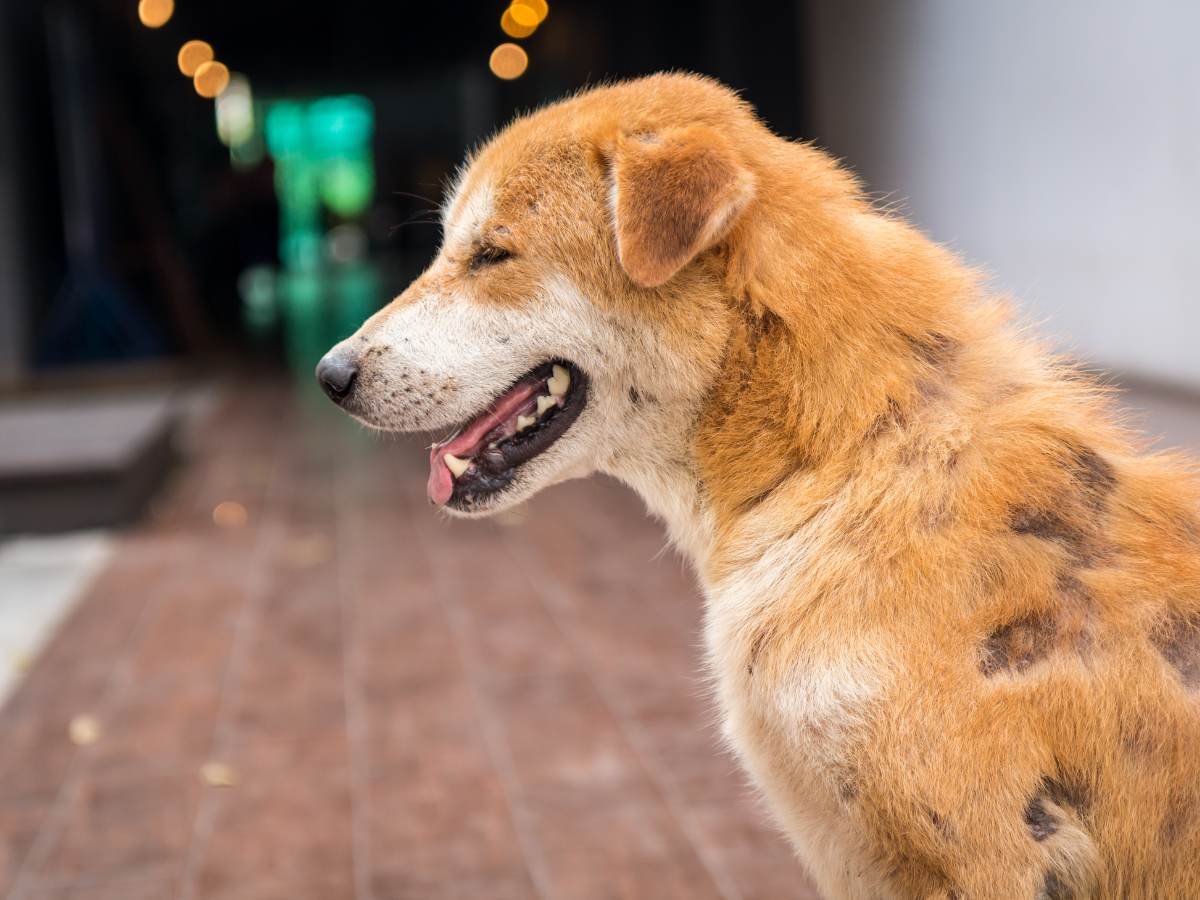
As a pet grooming salon serving families in North York, we often hear concerned dog owners ask: “Why is my dog's coat thinning?” While shedding is normal, thinning or patchy fur can signal underlying health issues or grooming problems. In this guide, we’ll explain the causes, warning signs, and practical solutions to help your dog maintain a healthy, shiny coat in Toronto.
For professional assessment and grooming, https://hellopetsinc.com/
All dogs naturally shed, but dog coat thinning in North York is different. It often appears as uneven fur, bald patches, or brittle hair, and is something you shouldn’t ignore.
Signs that thinning is normal:
Warning signs of concern:
If you notice these issues, it’s time to investigate further.
When coats aren’t brushed regularly, hair can break instead of shedding naturally. Matting and trapped moisture can damage follicles.
Our observation: Many pet owners assume their dog’s coat is “naturally thin,” but often it’s hair breakage from inconsistent grooming.
Fleas, mites, and fungal infections can weaken hair roots. Groomers often detect:
Early detection prevents more serious skin problems.
Hair is often the first indicator of a poor diet. Dogs lacking protein, omega fatty acids, or essential vitamins may show:
Some health issues directly affect the coat:
Sudden or severe thinning should prompt a veterinary evaluation.
Dogs that lick, chew, or bite excessively due to stress can develop localised hair loss. Common triggers include:
Professional groomers in North York notice subtle indicators that owners may miss:
If you spot these, scheduling a grooming evaluation is essential. You can learn more about our professional dog grooming services here:
https://hellopetsinc.com/dog-grooming/
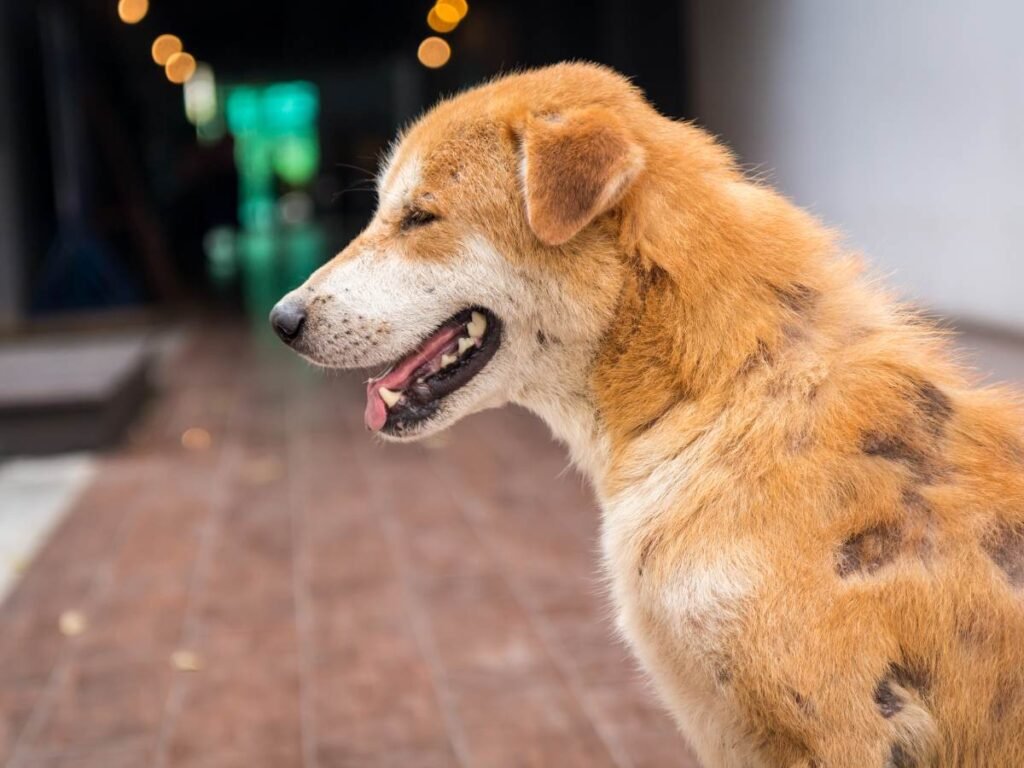
Perform this simple 5-point check to spot early signs of dog hair loss in Toronto:
If 2 or more signs are present, a professional grooming assessment is recommended.
Seasonal changes in North York and Toronto can temporarily affect your dog’s coat.
Tip: Seasonal dog coat thinning should always be even, not patchy.
Regular brushing prevents breakage, distributes natural oils, and keeps coats healthy.
Frequency recommendation:
Feed nutrient-rich food with:
Consult your vet before adding supplements.
Dry air, harsh shampoos, or allergens can irritate skin. Switching to gentle, breed-appropriate grooming products often improves coat thickness.
Professional groomers can detect hair loss causes before they require medical treatment. At https://maps.app.goo.gl/2vopfPZ2rYExNiFX7, we’ve seen many dogs regain healthy coats after proper detangling, conditioning, and skin-focused grooming.
| Symptom | Likely Cause | Action |
|---|---|---|
| Even thinning | Seasonal shedding | Increase brushing |
| Patchy loss | Parasites or infection | Groomer + vet check |
| Hair breaking | Matting or dryness | Conditioning treatment |
| Bald spots | Hormonal issue | Veterinary diagnosis |
| Thinning + odor | Skin infection | Immediate care |
Seek professional care if coat thinning is accompanied by:
These may indicate systemic health issues rather than just grooming problems.
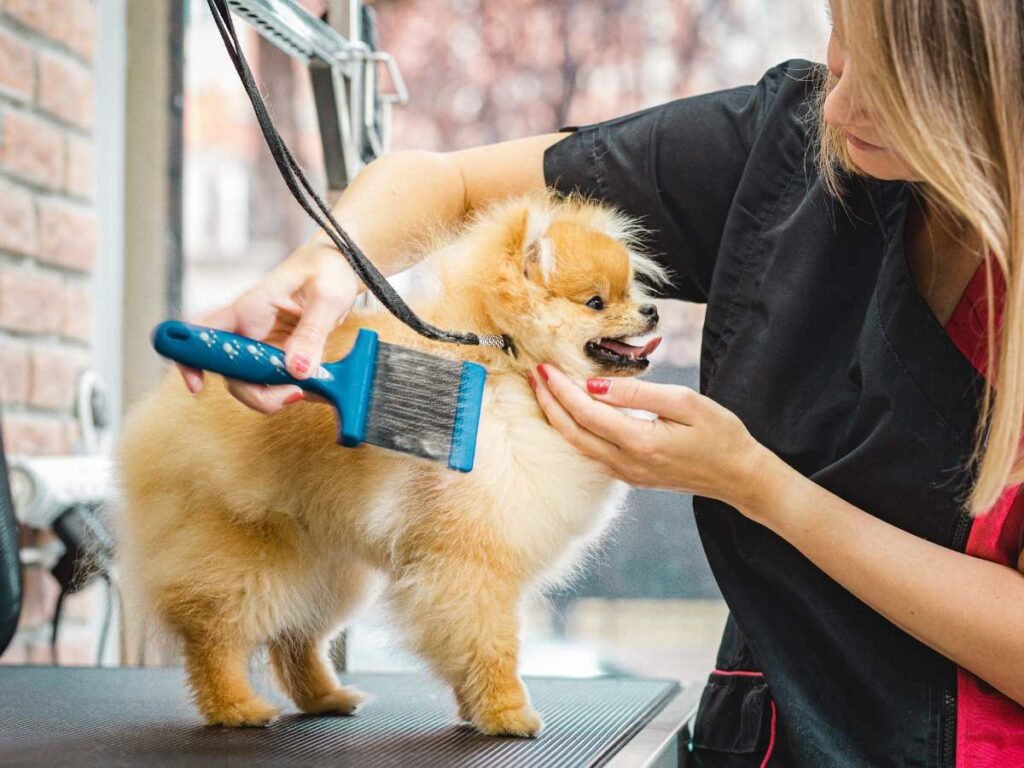
Professional groomers examine:
Early detection prevents more severe problems and keeps your dog healthy.
Preventive care is easier than fixing coat damage later.
Dog coat thinning in North York is often the first visible sign that something deeper needs attention. Early grooming assessment, combined with proper diet and home care, resolves many coat concerns before they escalate into medical issues. Observing your dog’s coat regularly is one of the simplest ways to monitor overall health.
1. Is dog coat thinning always a health problem?
No. Mild seasonal shedding is normal. Sudden, patchy, or excessive thinning usually signals a problem.
2. Can grooming actually stop hair thinning?
If the cause is matting, breakage, or poor coat maintenance, proper grooming can significantly improve coat thickness.
3. How long does it take for a dog’s coat to grow back?
Typically 4–12 weeks, depending on breed, nutrition, and underlying cause.
4. Should I change shampoo if my dog's coat is thinning?
Yes, especially if irritation is present. Harsh or human shampoos can damage hair follicles.
5. Do certain breeds experience thinning more often?
Yes. Double-coated breeds and dogs with long hair are more prone to visible thinning when grooming is inconsistent.
6. Can stress alone cause hair loss?
Yes. Chronic anxiety can lead to excessive licking or chewing, resulting in localised hair loss.
7. What is the first thing I should do if I notice thinning?
Start with a grooming evaluation to rule out surface causes. If signs persist, consult a veterinarian for medical assessment.