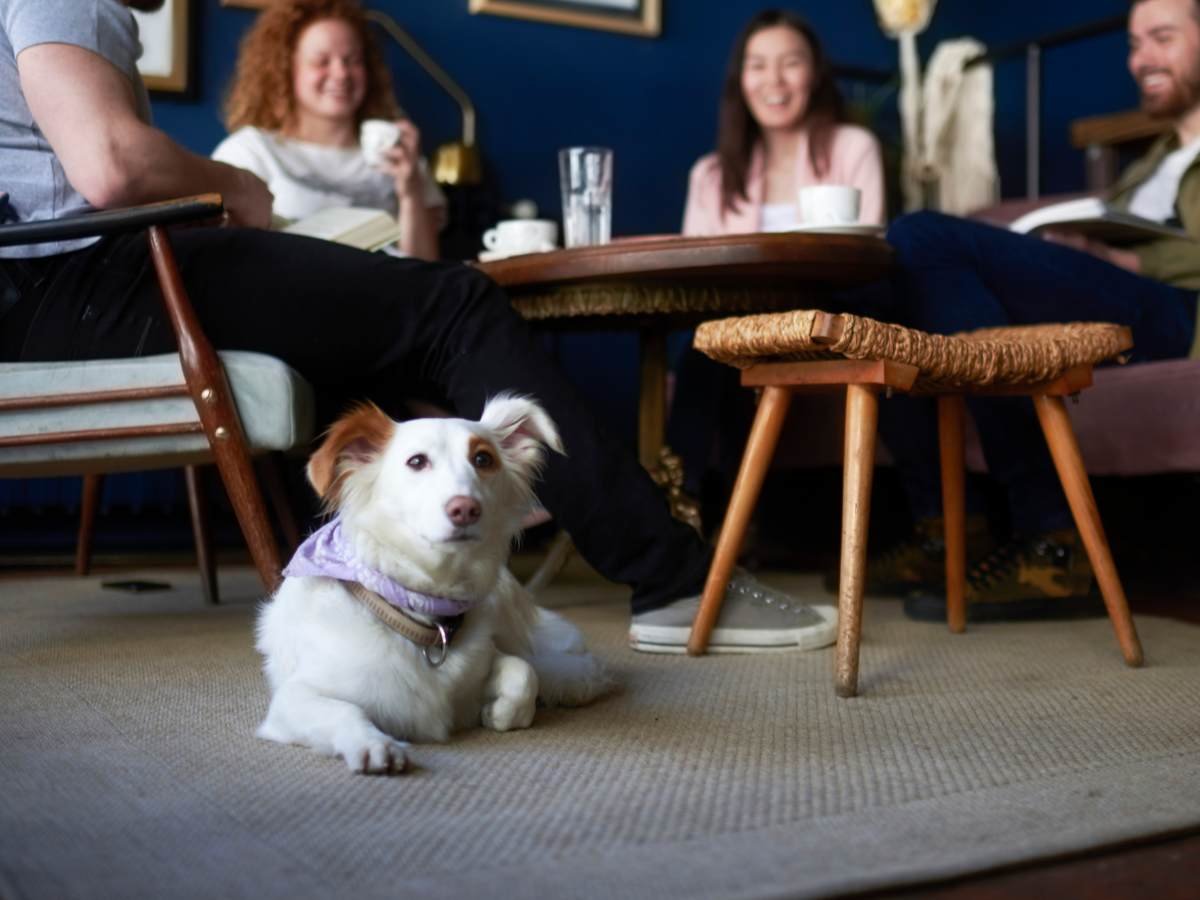
For many dog owners in North York, teaching a dog to stay calm around strangers is a common challenge. At our grooming salon, Hello Pets Inc., we meet countless pet parents who share similar concerns:
“My dog gets too excited when visitors come.”
“He barks or pulls when he sees people outside.”
“She gets anxious around new faces.”
These behaviours are normal—dogs communicate through movement, body language, and vocal signals. With the right training, guidance, and consistency, any dog can learn to stay relaxed, confident, and well-mannered around unfamiliar people.
In this guide, we share practical, real-life strategies that we often discuss with dog parents during grooming sessions. Whether you have a young puppy or an older dog, these steps will help your dog remain calm and composed around strangers.
Before training, it is important to understand why your dog may behave anxiously or overly excited when they encounter unfamiliar people. One common reason is a lack of socialisation.
Dogs who have not been introduced to different environments, people, and voices during their developmental phases may find new experiences overwhelming. Without early exposure, dogs can become scared or afraid of new people, making it harder for them to feel comfortable in unfamiliar situations.
Fear and anxiety can also play a major role, especially if the dog views strangers as unpredictable or threatening. In many cases, dogs react not out of aggression but out of uncertainty.
Some dogs become overly excited rather than fearful. They may jump, bark, or pull on the leash simply because they are thrilled to see new people. This excitement can sometimes lead to reactive behavior, such as barking or lunging, especially in busy or stressful environments. Others react due to protective instincts, which are stronger in certain breeds or personalities.
Additionally, dogs who have had negative experiences with strangers in the past may associate unfamiliar people with stress or danger. Understanding these root causes helps you train with empathy and patience.
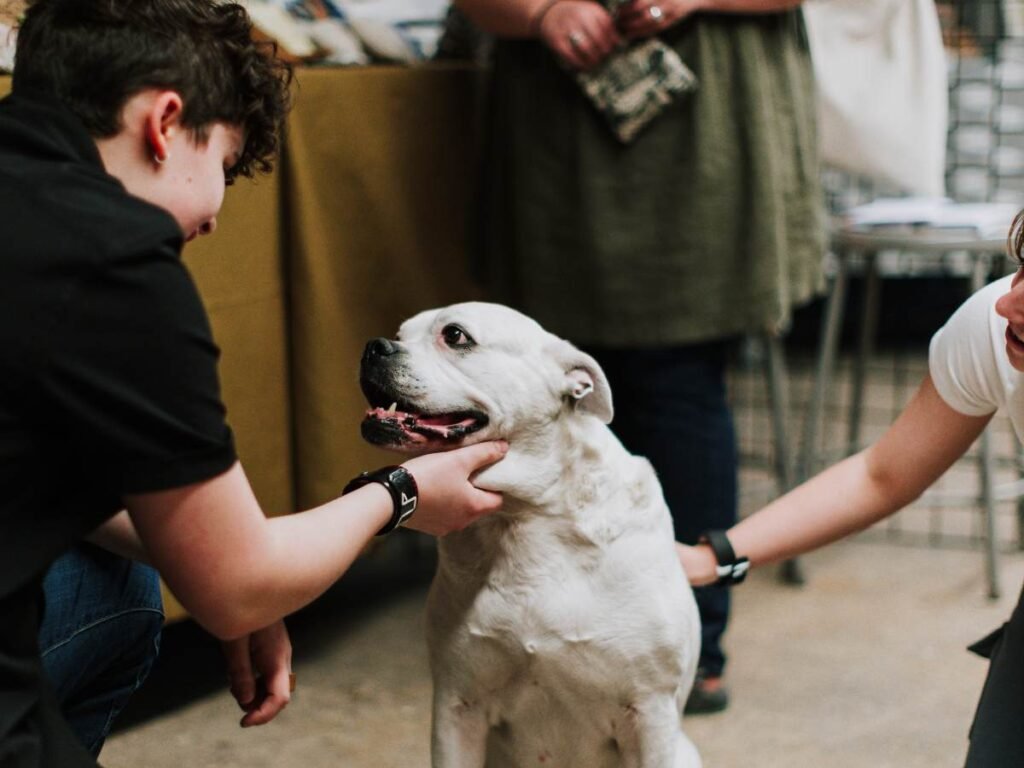
These are the strategies we commonly advise to pet parents who visit our North York grooming salon. They are gentle, effective, and suitable for both puppies and adult dogs.
Begin training in a quiet and familiar space. Choose a calm area in your home, backyard, or a quiet street where there are few distractions. Introduce one new person at a time and keep a comfortable distance at first. Allow your dog to observe without pressure.
Ask the stranger to ignore the dog initially by avoiding eye contact, not bending over the dog, and not speaking directly to them.
This reduces pressure and allows the dog to approach on their own terms. Reward your dog for any calm behaviour, even something as small as looking at the stranger without reacting.
Training becomes easier when your dog understands foundational cues such as “sit,” “stay,” “look at me,” and “leave it.” These commands help redirect your dog’s attention when encountering strangers.
Practice these cues daily and use them during stranger interactions. If your dog struggles with these basics or needs structured guidance, consider seeking a trainer through our dog training services for personalised support.
Read More: How to Teach Your Dog Basic Commands: A Practical Guide for North York Pet Owners
Distance reduces stress. If your dog becomes reactive, simply increase the space between your dog and the stranger. Start training at a distance where your dog notices the person but does not bark, growl, or pull.
This technique can also be used when introducing your dog to other dogs or other animals.
Reward calm behaviour at that distance and decrease it gradually over days or weeks. This technique, called desensitisation, helps your dog adjust comfortably without feeling overwhelmed, and gradual exposure helps your dog reach a calmer state around new people and animals.
Using positive reinforcement to reward calm behavior is essential for encouraging your dog to remain relaxed and composed around strangers. Each time your dog displays calm behavior—such as sitting quietly, walking calmly, or observing without barking—reward them immediately to reinforce this good behavior.
Use small training treats, soft verbal praise, or gentle petting as positive reinforcement. Rewarding calm behavior helps build positive associations with strangers, making new encounters more enjoyable and less stressful for your dog.
Avoid rewarding anxious behaviors like whining or jumping. Timing is crucial, so always reward the calm moment and not the reaction that follows. This approach encourages good behavior and fosters a positive attitude toward new people.
Teaching your dog to settle on a mat or bed is extremely helpful when guests visit your home. Place a mat on the floor and encourage your dog to sit or lie down on it. Reward them for staying in that spot, especially when they show relaxed behavior. You can also offer your dog's favorite toy on the mat to help them feel more comfortable and relaxed.
Practice this regularly without guests first. Once your dog understands the routine, introduce a visitor into the environment. This gives your dog a safe, predictable place to relax while learning that strangers entering the home is not a threat.
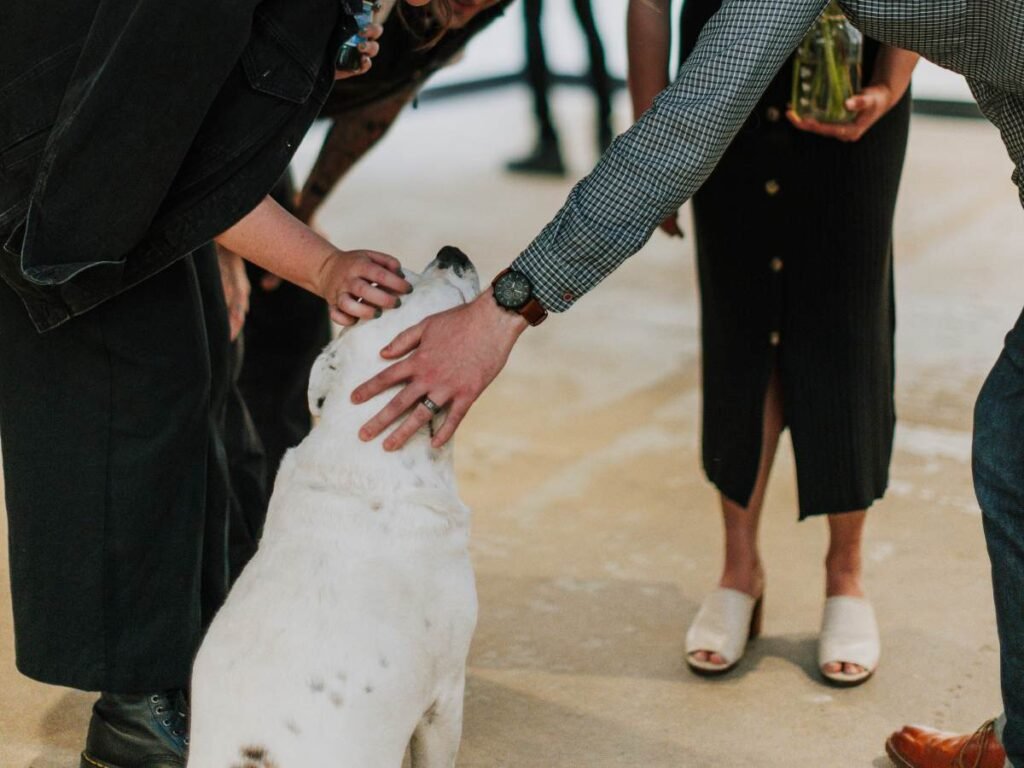
Strangers often unintentionally reinforce excitement by leaning forward, talking loudly, or trying to pet the dog immediately.
Guide visitors to interact in a calmer way.
Ask them to ignore the dog at first, keep their hands at their sides, and allow the dog to sniff before attempting any interaction.
This helps the dog regulate their emotions and approach calmly at their own pace.
Dogs that pull on walks often struggle with self-control when encountering people. Use a short yet comfortable leash, maintain a steady walking pace, and practice cues like “sit” when someone approaches.
Reward your dog when they pass strangers calmly. Structured walks help build discipline and confidence, which translates into calmer behaviour overall.
Dogs that receive enough daily exercise and mental stimulation tend to be calmer.
Activities like puzzle feeders, sniffing games, obedience drills, and fetch sessions engage the mind and body.
A tired dog is far less likely to overreact to strangers.
If your dog exhibits extreme fear, anxiety, or aggression, professional help can make a significant difference. Trainers can assess your dog's behaviour and create a tailored training plan. If you ever need structured behavioural support in North York, you can find our location here: Hello Pets Inc.. We frequently guide pet owners who raise concerns during grooming appointments, and early intervention can greatly improve your dog’s behaviour.
Since we frequently groom anxious or reactive dogs, we’ve noticed helpful patterns. Dogs often mirror their owner’s emotions, so staying relaxed during greetings can help your dog feel more secure.
Grooming sessions also expose dogs to different handlers, sounds, and environments, which naturally helps them become more comfortable with unfamiliar people.
Always give your dog time to adjust and avoid forcing interaction. Punishment for fearful behaviour typically worsens anxiety and reduces trust.
Dogs often react due to fear, lack of socialisation, or feeling threatened. Some may bark defensively, while others react because they are unsure how to behave. Identifying the trigger helps determine the correct training approach.
Yes. Training that focuses on confidence building, impulse control, and desensitisation significantly reduces the risk of biting. A structured plan can help dogs choose calm behaviours instead of defensive reactions.
Control the environment by using cues like “stay,” managing distance, and creating a designated safe spot such as a mat. Consistent practice teaches your dog how to behave when people enter your home.
Teach replacement behaviours such as “sit” or “touch.” Ask strangers to ignore jumping completely. Reward your dog only when all four paws remain on the floor.
Every dog is different. Some improve within a few weeks, while others need months of consistent practice. Breed, temperament, and past experiences all influence the timeline.
Yes. Regular grooming helps dogs become accustomed to being handled by unfamiliar people. This builds trust, reduces fear, and helps them feel more confident in new situations.
Yes. A dog with a bite history requires structured behavioural support. A professional dog trainer in North York can evaluate the behaviour and guide you through safe techniques to prevent future incidents.