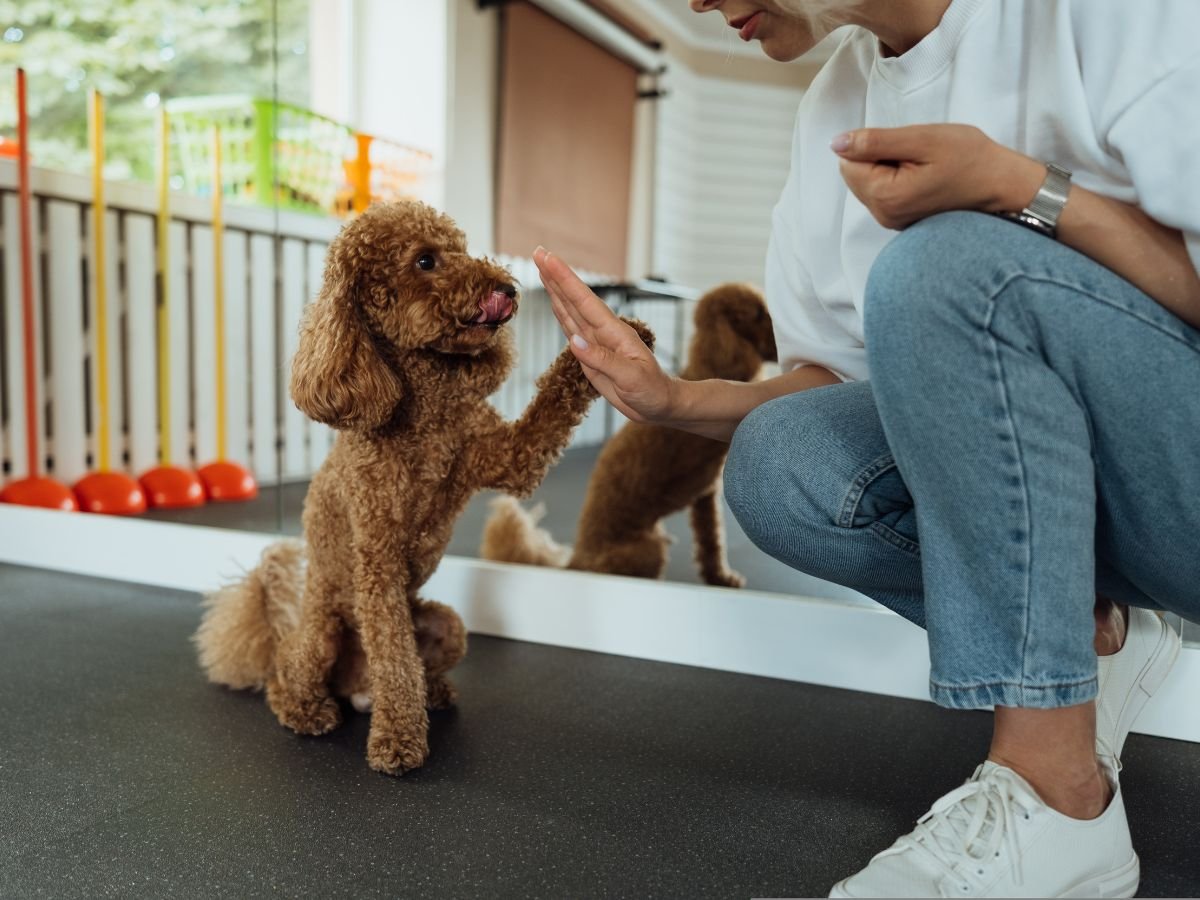
For many dog owners, one of the most important questions is: when is the right time to start training your dog? The answer is simple: training should begin the moment your dog becomes part of your life.
As professionals who work closely with dogs every day in North York, we often hear this question from pet parents during grooming visits and consultations. Many owners only think about training after problems appear, but the truth is that early guidance prevents most behavioural issues before they start.
The best time to start dog training is as early as 8 weeks old. Puppies benefit from early socialisation, structure, and positive reinforcement to prevent biting, fear responses, and behaviour problems later. However, dogs of any age can successfully begin training with consistency and proper guidance.
Dog training is the process of teaching a dog how to understand cues, respond appropriately to situations, and communicate calmly with humans and other animals. It builds trust, confidence, and structure rather than simply teaching commands.
Dogs living in busy urban environments like Toronto experience more stimulation than dogs in quieter areas. Elevators, traffic, crowds, and unfamiliar sounds can overwhelm untrained dogs.
Starting training early helps dogs:
We often see during grooming sessions that dogs without early exposure struggle with brushing, nail trims, or touch, not because they’re aggressive, but because they’re unsure or anxious.
8–12 weeks
3–6 months
6–12 months
1 year and older
Each stage builds on the previous one. Skipping early steps often leads to behaviour challenges later.
Not at all. Adult dogs can learn new behaviours successfully. They may need more repetition and patience, but progress is absolutely possible. In fact, many older dogs improve quickly once they receive consistent structure and clear communication.
You should begin structured training right away if your dog:
These behaviours are not personality flaws; they are signals. Training helps you understand and guide your dog’s responses safely.
One of the biggest misconceptions is that training is only necessary after a problem develops. Training is not just correction; it is prevention.
Dogs that receive early guidance are typically:
Waiting often means retraining instead of teaching.
While practising at home is essential, experienced trainers understand canine learning theory, body language, and behavioural triggers. They can identify subtle warning signs that most owners miss.
Many pet parents who visit Hello Pets Inc. ask us when they should begin training, especially after noticing early signs like biting or hyperactivity. Because we work with dogs daily, we often guide owners toward structured help when needed. If you want to explore professional support options, you can learn more here:
https://hellopetsinc.com/dog-training/
Working hands-on with dogs from busy North York households, we’ve noticed that city environments make early training especially important. Dogs that build confidence and calm behaviour early adjust much better to urban living and routine handling.
You can also find our local training, grooming and consultation location here:
https://maps.app.goo.gl/C3QkdwBDfzZB1dG39
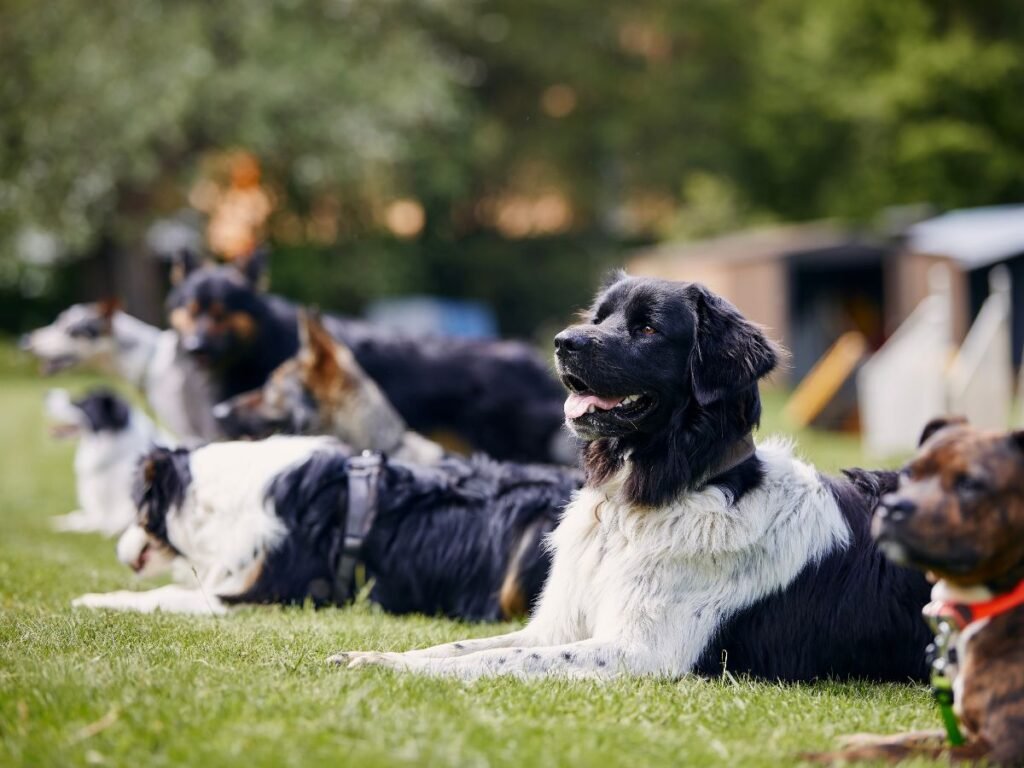
You don’t need special tools to begin. Start with:
Consistency is more important than duration. A few minutes daily is far more effective than occasional long sessions.
When is it too late to train a dog?
It’s never too late. Dogs can learn throughout their lives.
Can a one-year-old dog still be trained?
Yes. Older dogs can learn quickly with structured guidance.
Why is my puppy biting suddenly?
Puppy biting often comes from teething, excitement, or overstimulation.
How long does it take to train a dog?
Basic habits may develop in weeks, but reliable behaviour takes consistent practice over months.
The right time to start dog training isn’t determined by age; it’s determined by awareness. The sooner training begins, the easier it is to build calm behaviour, prevent biting, and raise a confident companion. For North York dog owners, early guidance is one of the most effective steps toward a well-adjusted, happy dog.