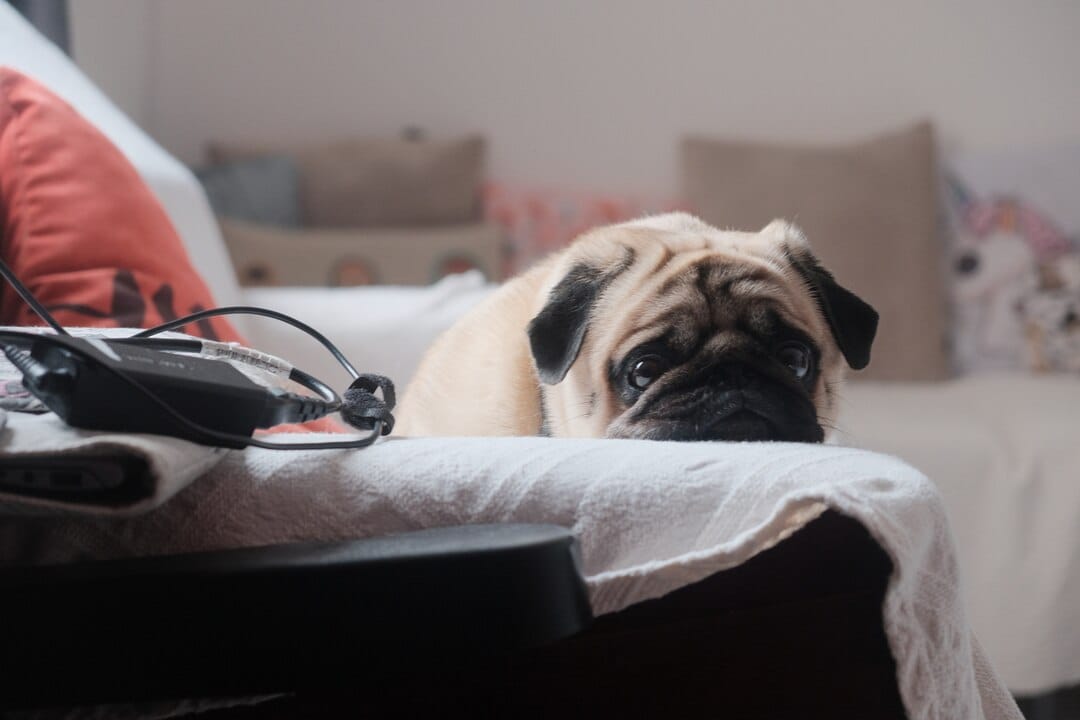
You send your pet to daycare expecting them to come home pleasantly tired. Instead, they race around the house, demand attention, bark more, struggle to settle, or suddenly get a burst of energy.
That reaction can be confusing. Many owners assume daycare should automatically result in a calm evening. But tiredness does not always look like sleepiness. Some pets become more active when they are mentally overloaded, excited, or overtired.
If you use pet daycare North York, understanding the difference between healthy post-daycare energy and overstimulation can help you respond in a way that actually helps your pet settle.
Pets do not always respond to fatigue by immediately lying down. Some become restless when they are physically tired but mentally stimulated.
Think about everything your pet may experience during daycare. There can be unfamiliar sounds, new smells, movement, play, people, other animals, feeding routines, and constant environmental changes. Even if your pet enjoys the experience, their brain has been processing far more information than it would during a quiet day at home.
Once they return home, that stimulation may continue showing up as pacing, zoomies, barking, jumping, attention-seeking, or difficulty relaxing. The behaviour can look like excess energy even when your pet actually needs rest.
Not every energetic evening means there is a problem. Some pets simply become excited when reunited with their owners. They may run around for a few minutes, grab a favourite toy, or follow you from room to room before settling normally.
Overstimulation tends to look different. Your pet may appear unable to switch off. They might pace continuously, react strongly to small noises, become unusually mouthy, demand constant interaction, or move rapidly from one activity to another.
Look at the duration rather than one isolated behaviour. A brief burst of excitement followed by normal relaxation is very different from a pet that remains restless for hours.
Your pet's usual temperament matters too. A naturally energetic pet may always need more time to transition from an active environment to a quiet home.
More exercise does not always create more calm.
Physical activity can reduce excess energy, but repeated high-intensity activity without enough downtime can make some pets increasingly aroused. They may become physically tired while remaining mentally switched on.
This is why adding a long walk, intense play session, or highly stimulating outing immediately after daycare may not help. Your pet may need fewer demands, not more activity.
Once home, give them a chance to move naturally, drink water, eat according to their normal routine, and then decompress in a familiar environment.
The first hour after daycare can tell you a lot.
Notice whether your pet quickly begins settling into familiar habits or continues seeking stimulation. Do they drink some water and lie down? Do they wander around before choosing a resting place? Or do they repeatedly pace, bark, jump, and struggle to remain still?
Avoid judging the daycare experience based only on whether your pet immediately sleeps. Instead, look at their ability to return to a normal baseline.
A pet that takes a little time to transition can still be coping well. The concern is repeated difficulty recovering after every visit.
A good daycare routine is not only about activity. Rest matters too.
Pets need opportunities to pause between stimulating periods. Constant activity can be difficult for animals that are young, excitable, cautious, or easily aroused.
If your pet regularly comes home unable to settle, consider whether the overall daycare schedule suits their personality and energy level. Some pets may thrive with frequent active periods. Others may benefit from more structured rest.
This does not necessarily mean daycare is unsuitable. It may simply mean your pet needs a different balance.
One common response to post-daycare hyperactivity is to assume the pet still has energy to burn.
Owners may immediately start playing fetch, take another long walk, or encourage vigorous play. Sometimes this keeps the pet even more activated.
Before adding more exercise, observe what your pet is actually communicating. Are they moving with purpose and enthusiasm, or do they look restless and unable to settle? Are they engaging normally, or reacting to everything around them?
A short, calm routine may be more useful than another hour of stimulation.
Pets often settle more easily when they know what happens next.
Try keeping the post-daycare routine simple. Arrive home, offer fresh water, allow a bathroom break if needed, serve food at the usual time, and keep the environment calm.
Avoid introducing visitors, loud activities, or exciting new experiences immediately after daycare. If your pet wants affection, offer it calmly. If they choose to rest, let them.
Over time, this predictable routine can help signal that daycare is finished and home is the place to decompress.
One energetic evening does not tell you much.
Pay attention to what happens after several daycare visits. Does your pet settle more easily as they become familiar with the routine? Do they consistently struggle after especially active days? Are they calmer when visits are shorter or less frequent?
Patterns can help you understand whether the behaviour comes from excitement, fatigue, overstimulation, or something else.
You may also notice changes the following day. Healthy activity should not leave your pet repeatedly irritable, unusually withdrawn, or unable to recover before the next visit.
Post-daycare energy is not automatically concerning, but major behavioural changes should not be ignored.
Watch for persistent agitation, unusual aggression, repeated inability to sleep, excessive panting without an obvious reason, digestive changes, avoidance, or behaviour that remains significantly different from your pet's normal routine.
If the same pattern happens after every daycare visit, discuss it with the care team. Share what you are seeing at home and ask about your pet's activity, rest, interactions, and behaviour during the day.
That information can help you understand the full picture instead of judging the experience only from the evening afterward.
There is no universal amount of daycare activity that works for every animal.
Some pets come home, eat dinner, and sleep for hours. Others need a quiet transition period before they can fully relax. A few become more energetic when they are overtired.
The goal is not to make your pet exhausted. It is to provide appropriate activity, enrichment, interaction, and rest in a way they can comfortably handle.
If you are considering pet daycare North York, pay attention to how your pet feels after the experience, not simply how tired they appear.
Contact Hello Pets to discuss your pet's routine, energy level, and daycare needs so you can find a schedule that works for them.